

Pregnancy is a period of important changes in many aspects. From a physical and physiological point of view, the modifications are considerable and lead to a great work of adaptation.
During the 9 months of pregnancy, the increase in size of the uterus and hormonal changes can cause some discomforts such as gastro-esophageal reflux, constipation, hemorrhoids, poor circulation, etc.
The whole posture changes throughout pregnancy. The belly moves forward, the lumbar spine arches, the points of support on the ground change, the pubic symphysis and the rib cage distend…
The hormones make the ligaments more flexible, which increases the stresses on the joints. This can lead to back pain, muscle tension, sciatica, pain in the pelvis, ribs, lower limbs.
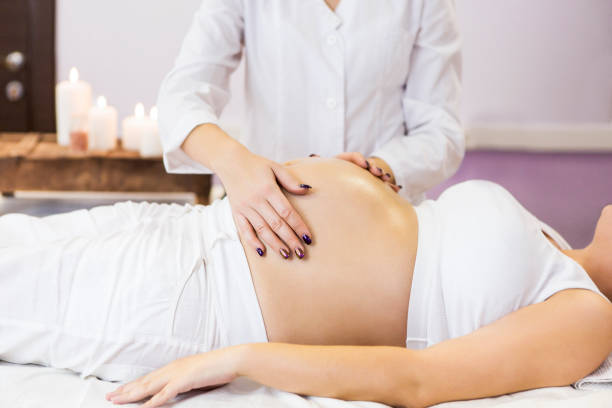
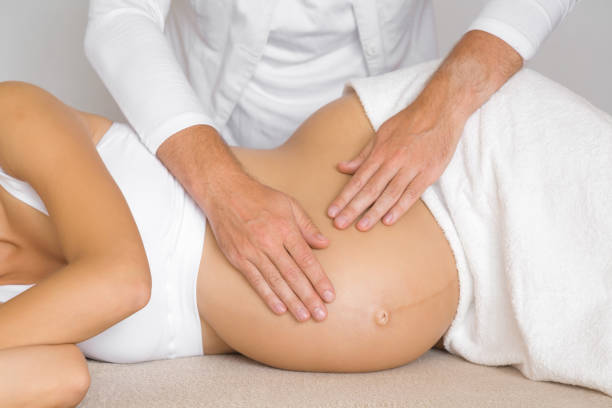
Osteopathy helps to adapt to these changes, improving the mobility of the body’s structures and the circulation of fluids.
It is important that the expansion of the uterus is done in a harmonious way to favor the well-being, mobility and optimal positioning of the fetus, and reduce premature contractions.
Osteopathy accompanyies changes in the pelvis, spine, diaphragm, viscera, ligaments of the uterus, thus allowing uterine growth with a minimum of tension, and a maximum of space for the developing baby.
During pregnancy, the mother secretes hormones that will allow a better expansion of the tissues during labour. It is important to ensure that all pelvic structures are free for an optimal mobility on the day of delivery.
The osteopath seeks to restore good mobility to the pelvis, particularly in the case of a previous fall on the coccyx, pelvic floor dysfunction, previous pelvic injury, etc.
Postpartum residual pain
The pelvis undergoes extreme changes during childbirth which can leave the mother with some pain. In addition, the back can be painful in the epidural area.
Osteopathy sessions can help reduce these discomforts to allow the mother to fully enjoy her baby.
It is interesting to associate osteopathy with perineal rehabilitation (with the midwife or specialized physiotherapist). Pelvic floor exercises will be much more effective if the pelvis is balanced.
Excessive tension in the chest and pectorals can prevent a good blood and nerve supply to the breast and contribute to pain when breastfeeding.